Heidi Fiedler, creator of Nebula Notebook on Substack and a writer/editor/mother herself, interviewed me as part of her “Mothers Who Make” series about parent artists. I really enjoyed gathering my thoughts on these questions, which have been on my mind and in the foreground of my creative practice for more than eight years now.
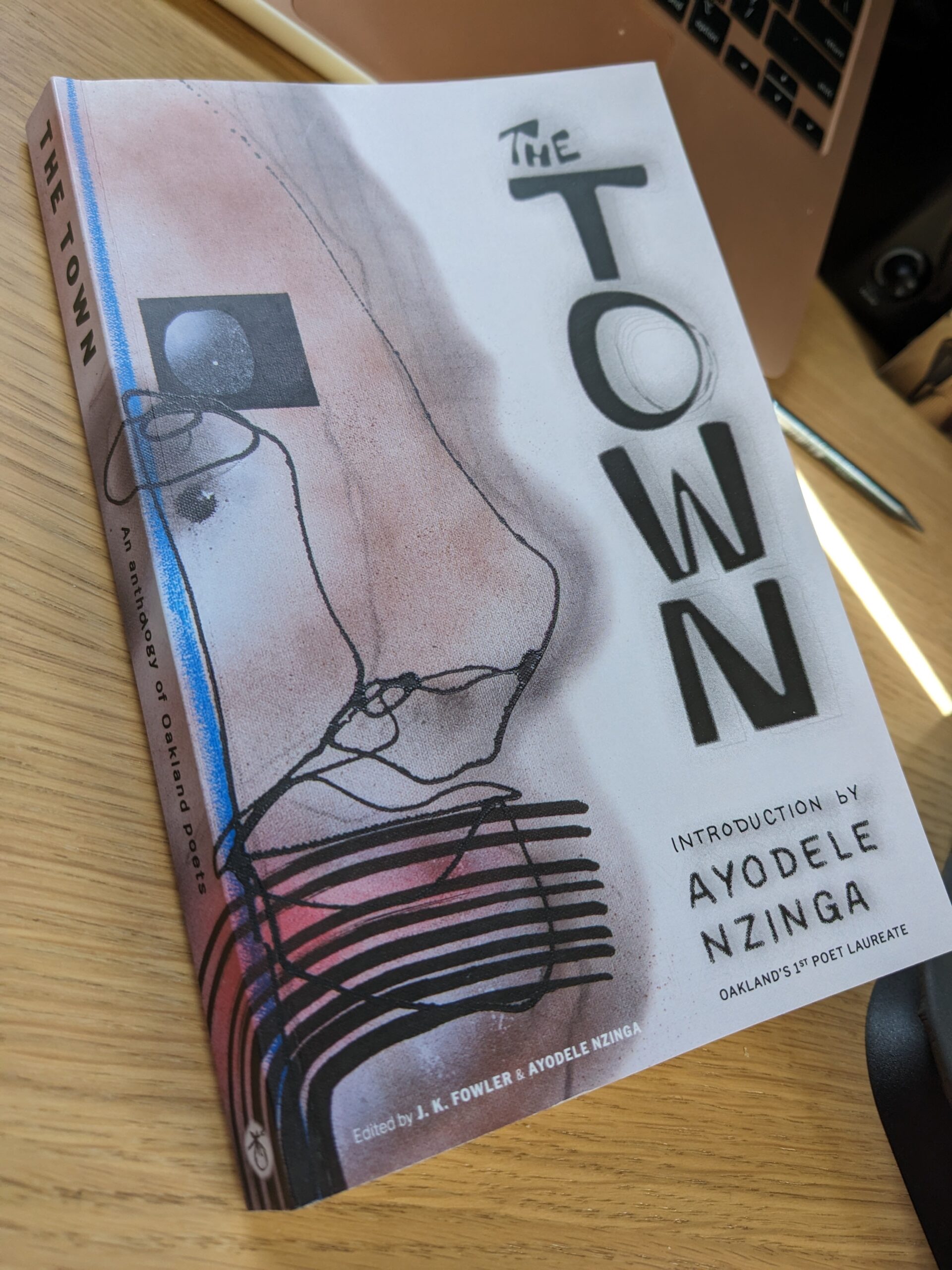
Thanks to J.K. Fowler and Ayodele Nzinga, first Poet Laureate of Oakland, for editing this collection of poets from The Town. Be sure to check out Ms. Nzinga’s introduction (“change is dancing in the middle of all the rooms, and talking very loudly”).
I moved from a grey high-rise in Shanghai to a one-bedroom near Lake Merritt in 2009. I remember feeling so grateful for its blue skies and the scent of orange blossoms wafting up to my window. I love this town. I love its unruliness and its history. As a mixed race person, I feel good here. I respect the people who call Oakland their hometown; they’ve endured a lot of displacement. (For some local living history, give a listen to the podcasts “Hella Black” and “East Bay Yesterday.”) I had both my babies in this town; it is theirs now. So it is an honor to be listed with the poets in this anthology, a fitting last publication for Nomadic Press.
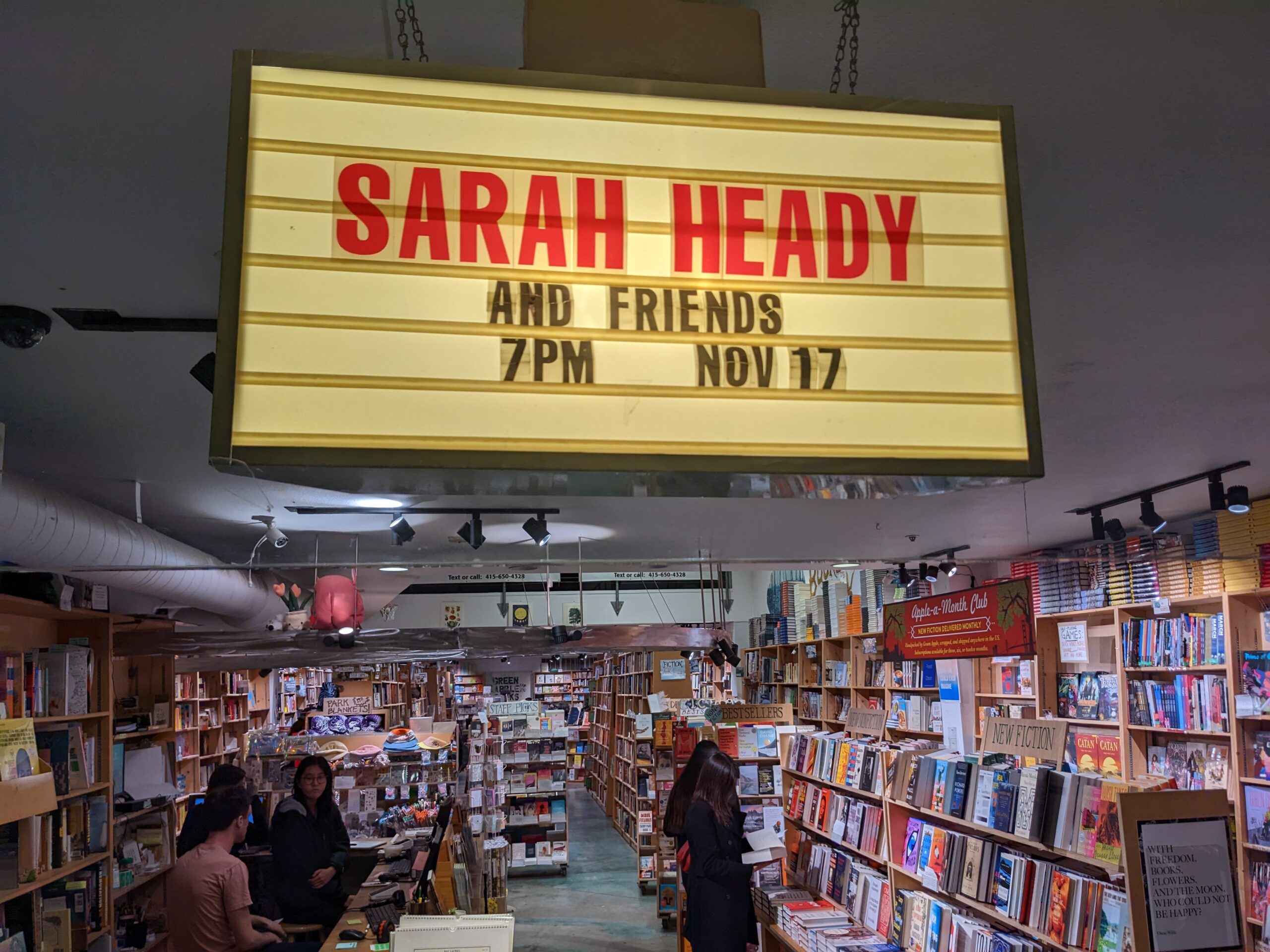
What a pleasure it was to read at the release reading of COMFORT, a new book of poems by my friend and DropLeaf co-founder Sarah Heady. Kar Johnson over at Green Apple Books on the Park coordinated a lovely IRL/online event, which featured Tanya Holtland reading from her beautiful eco-poetry collection REQUISITE (Platypus Press), Maia Ipp reading an excerpt of SUGARTRUCK, her novel in progress, and Laura Walker reading from PSALMBOOK (Apogee).
Gotta love a marquee.
COMFORT is a really lovely work, a rich woven thing. Part Midwestern prairie missive, part found-language assemblage, it grapples with domestic labor, woman’s work, prophecy, property, and the land. Sarah Heady has a wondrous way with source materials, weaving history and presence together in lyrical lists and verses.
I read from my long poem, BOOK OF SYBIL (Gorilla Press). Here is what I said to introduce that work, which is now almost 10 years old:
I was in my mid twenties, newly married, and struggling with what it meant to be a wife in a hetero relationship in a patriarchy. Somehow I got drawn into research about the sibyl of ancient Greece and Rome.
I learned that Sibyl was a title given to prophetesses, women who worked in religious centers which traded in prophecy. The most famous Sibyl was the Cumaean Sibyl, though there were many Sibyls operating throughout the ancient world, consulting on affairs of state, serving kings, the nobility, and anyone else who came to them seeking to know the future.
The name Sibyl has a long etymological lineage tying it back to the Magna Mater Great Mother figure, Cybele (SAI-bel), or Kubileya, who originated in Anatolia, or present-day Turkey, but whose cult spread into ancient Greece and later to the court at Rome, where the Great Mother was called upon as a key religious ally to the Roman military.
The Sibyl served the authorities as a mouthpiece, with prophecy justifying present actions, but she also held an ideological status as a divine speaker, someone whose truth was considered unassailable, even by kings. She was a noise maker, in that meaning had to be derived from her torrent of words. Her authority was repeatedly coopted for political gain.
There is a real Book of Sibyl, a set of nine books actually, which is referred to by the historian Lactantius. But we have no remaining primary source for that work. There is another book known as the Sibylline Oracles which was written centuries after the time of the Sibyls but was passed off through the Middle Ages as an ancient document. This book was written as a series of prophecies predicting the rise of Christianity and connected the old cult of the Great Mother with the new Christian framework of Mother and Son. So this chapbook is an attempt to form meaning from all this noise, all these conflicting origins and texts, which have gender and power at their core.
Many thanks to dear friends who attended IRL and online, including my aunt Kathryn Ma, whose new novel THE CHINESE GROOVE is coming out in early 2023.
A woman with a long-term connection to a mysterious Church struggles to keep it separate from other parts of her identity. Published in Hyphen Magazine, March 2022.
The title refers to a shibboleth spoken by initiates of the Eleusinian Mysteries, the rites of the cult of Demeter.
It was a pleasure to work with editor James Han Mattson at Hyphen, the arts and culture magazine by/for Asian America.
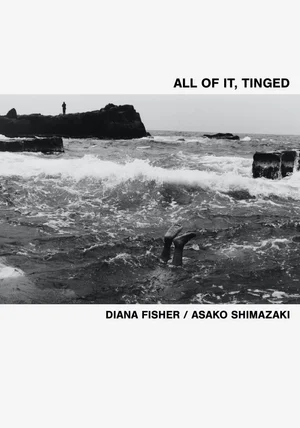
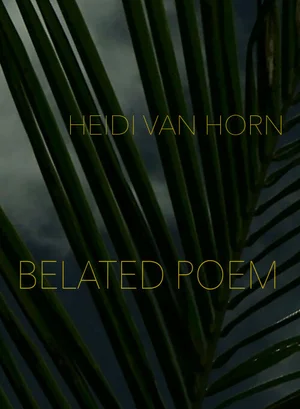
A quick plug for two unique new works of poetry and imagery by Drop Leaf Press. Beautiful to hold and provocative to read.
All of It, Tinged is a curated juxtaposition of the photography of Asako Shimazaki and the writing of Diana Fisher. Shimazaki’s quietly charged images from her solo wanderings across Northern Japan reflect and inflect Fisher’s diligent poetic narrative about a novitiate and her convent absorbing the results of a catastrophic national election.
Belated Poem by Heidi Van Horn is a book-length sequence of text + image diptychs distilling landscape, color, and language into a poetics of interiority. Van Horn’s spare lines and arresting photographs are narratively linked yet marked by rupture, elusion, and unsettledness. Deploying vocabularies of intimacy and ephemerality as deftly as those of abstraction, physics, and geologic time (volcanic island-building; fault-block mountains), Belated Poem ultimately speaks in human terms: perception and consciousness, shadow states, and severance at the seam of Self and Other.
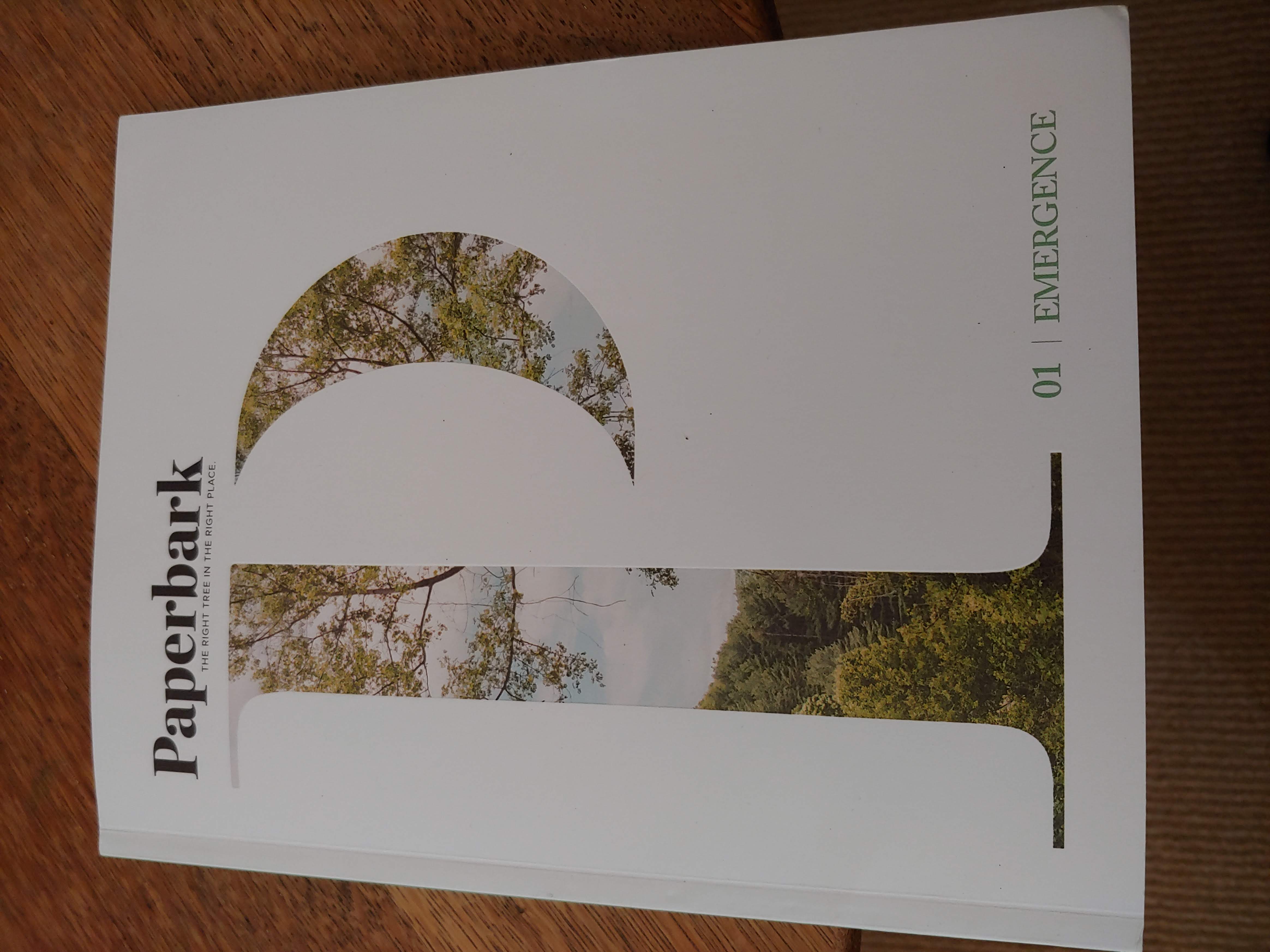
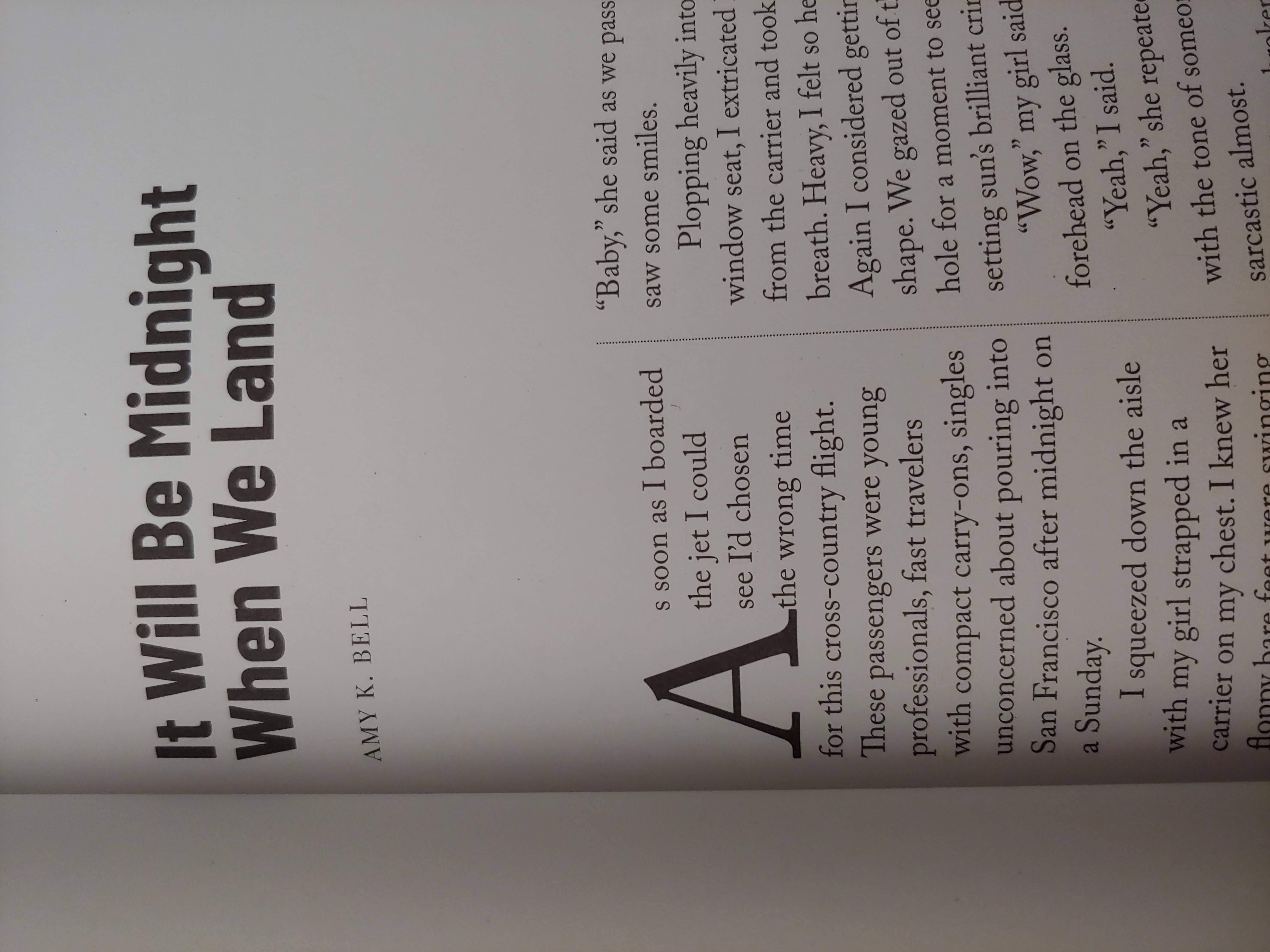
My story about a woman and her small daughter on a night flight home was published in the very first issue of Paperbark, a lovely literary mag produced in collaboration between the University of Massachusetts Amherst School of Earth and Sustainability, the College of Humanities and Fine Arts, and the UMass Libraries.
Shobha Rao’s new story collection set during the 1947 Partition of India and Pakistan is well worth a read. I wrote about it for The WVoice, the magazine of Women’s Voices Now.